The ocean shapes people’s lives. Social Accounts measure how.
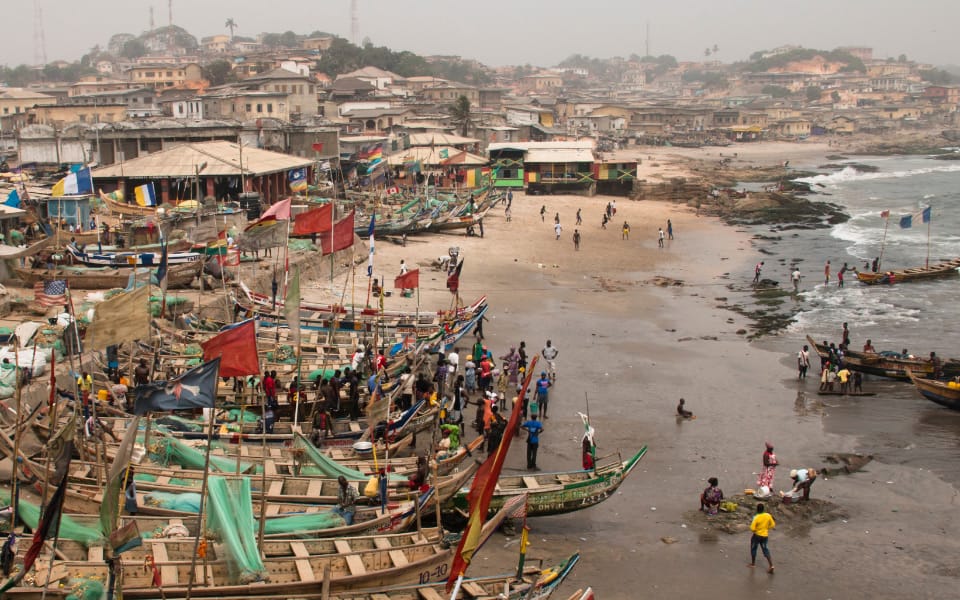
Social Accounts show how people use the ocean and how it shapes their daily lives — for food, jobs, culture, health and identity. They also show who benefits from the ocean, and who is being left behind.
Most ocean data counts fish, money or coastline. Social Accounts count the people behind those numbers — giving governments a full picture of the ocean, and the people who depend on it.
Until recently, there has been limited focus on Social Accounts and how they can be developed and implemented in practice. As a result of this gap, The Global Ocean Accounts Partnership (GOAP) are leading efforts to tackle this important topic.
Why are Social Accounts important?
Ocean Accounts provide a structured compilation of consistent and comparable information (e.g. maps, data, statistics, and indicators) and measure progress across environmental, social and economic domains at regular accounting intervals.
Social Accounts focus on the social and cultural domains and help countries to:
- See who depends on the ocean, and how
- Make sure women, small-scale fishers and minority groups are not invisible in national data
- Plan policies that are fair, evidence-based and grounded in real lives
- Track progress on wellbeing, culture and equity — not just GDP
What are Social Accounts?
Social accounting is the process of capturing, analysing, and reporting of data related to the social, cultural and equity dimensions of the human-ocean relationship within the Ocean Accounts framework.
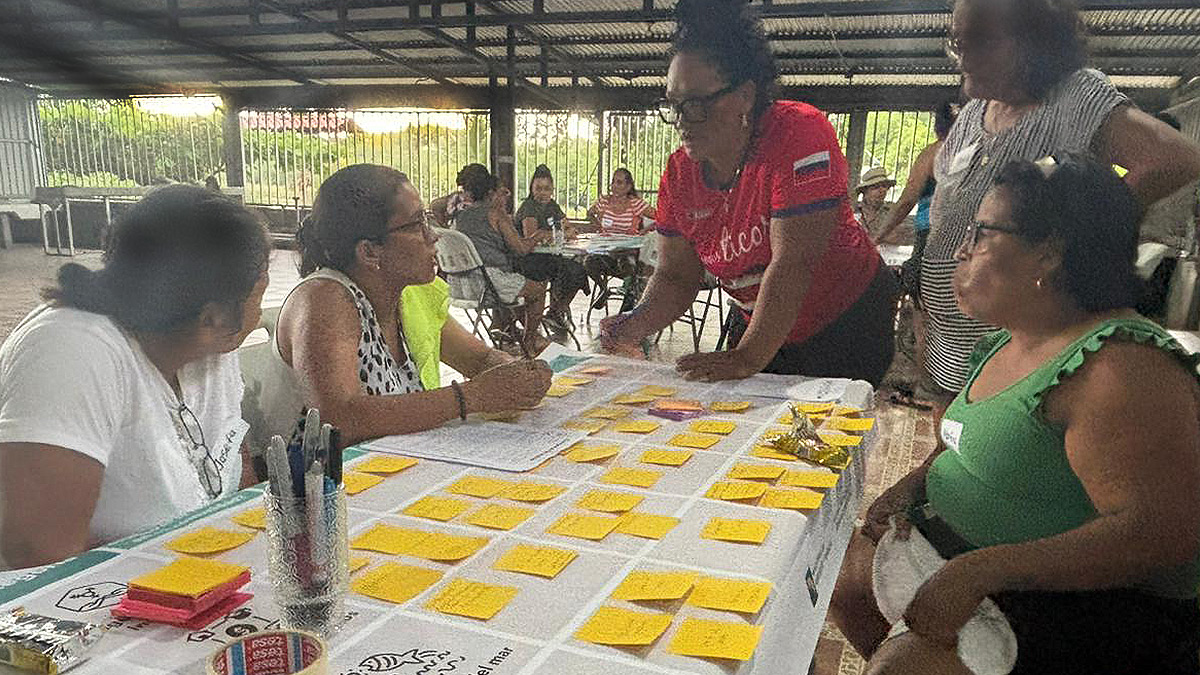
Social Accounts are co-designed with governments, statistics offices and coastal communities.
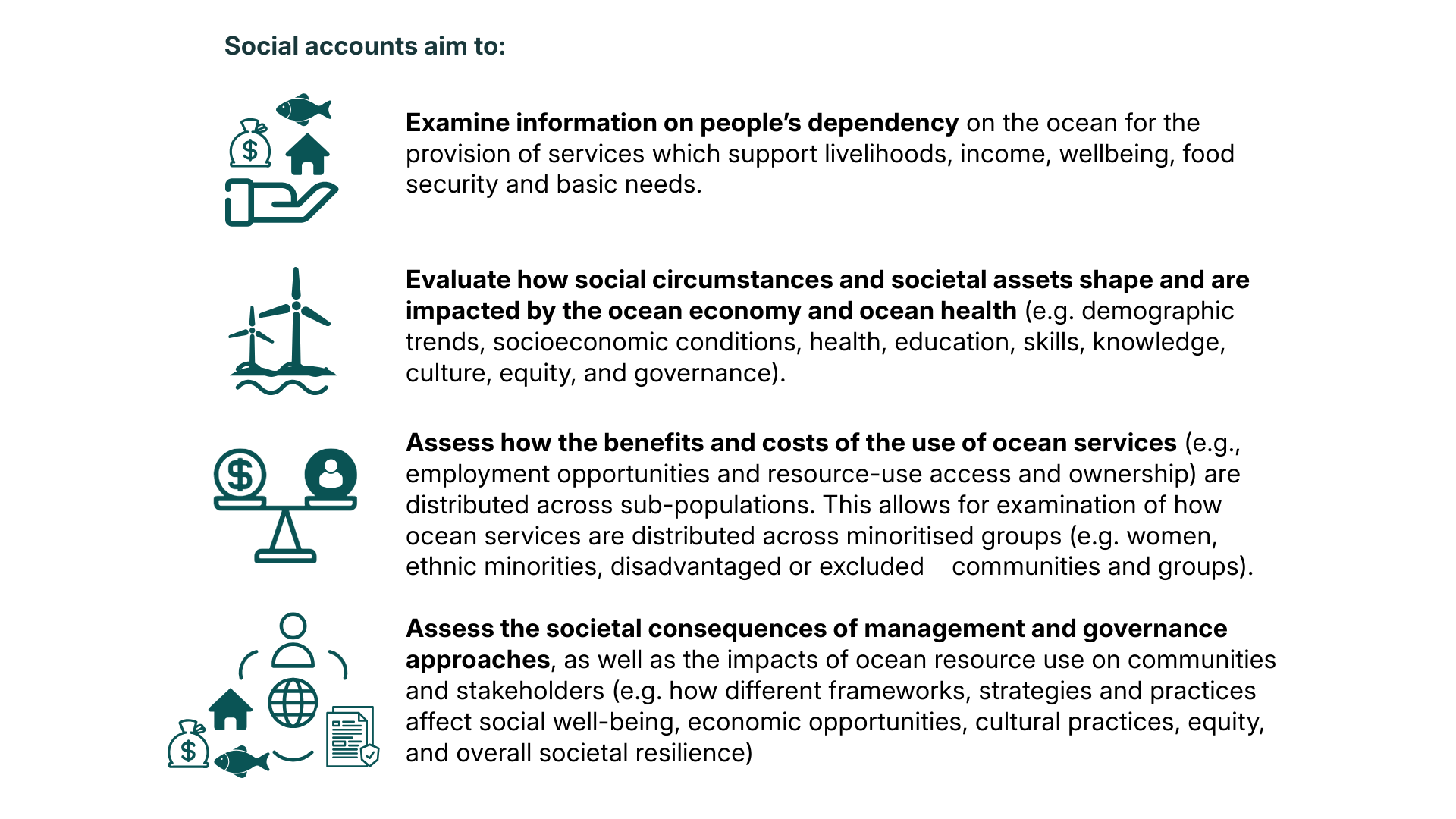
Social Accounts are essential for:
- Providing social indicators for decision-making. Social Accounts will provide decision-makers with indicators for:
(i) tracking progress towards ocean sustainability,
(ii) evaluating the positive and negative impacts of policy interventions on people and
(iii) undertaking trade-off analyses for policy and investment decisions.
- Ensuring the accuracy of Ocean Accounts. Without giving attention to social, cultural and equity considerations, there is a risk of inaccuracy in Ocean Accounting. This could lead to misguided decision-making which could have long term negative effects on the economy and human wellbeing.
- Giving visibility to communities in Ocean Accounts. Communities will be invisible within Ocean Accounts without Social Accounts. The lived experiences of communities are largely excluded in Environmental and Economic accounts and national statistics. This will highlight the degree to which communities are dependent on the ocean for their livelihoods, income, food security, wellbeing and basic needs.
- Improving equity and inclusion. This is essential for understanding how ocean services are distributed across subpopulations. For example, the distribution of employment opportunities and resource-use ownership in minoritized and marginalized communities (e.g. Women, LGBTQ+ communities and Indigenous communities).
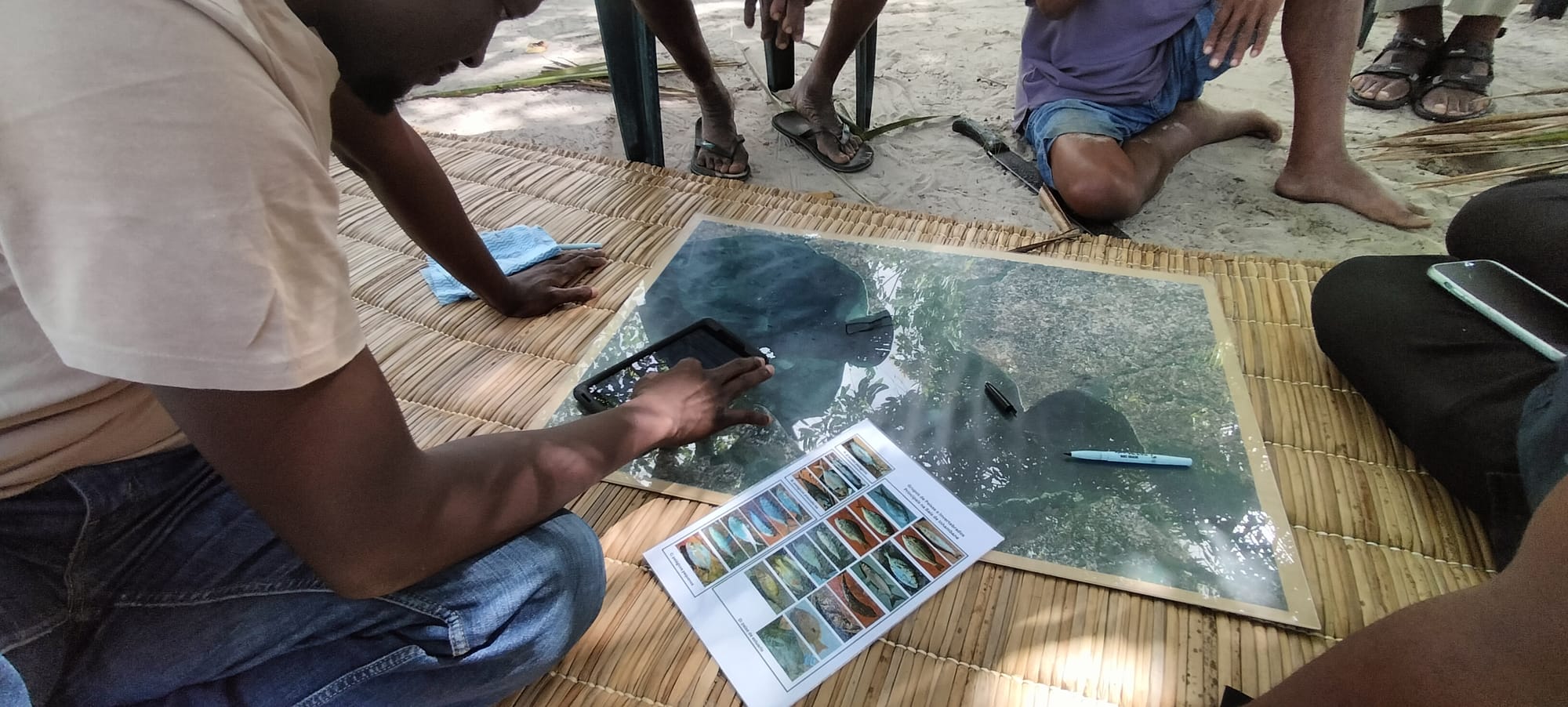
- Increasing respect for and inclusion of Local Knowledge. Social Accounts provides the opportunity for local community’s knowledge and research to be respected and considered in the mapping, monitoring and evaluation of the ocean.
What is being done to progress Social Accounts?
- Social Accounts Working Group. The Working Group is established to provide a structure for diverse individuals and organizations with a common interest in ensuring that social, cultural and equity data are appropriately accounted for in Ocean Accounting and decision-making processes. If you are interested in joining the group, contact Dr Rebecca Shellock (r.shellock@unsw.edu.au).
- Identification and testing of secondary data sources that can be used for social accounting and identifying gaps. This includes nationally representative surveys, official statistics and project data among others. Lessons learnt and next steps will be derived from this process.
- Development of pilot accounts for a selection of countries, using secondary data sources. This will provide insights into the social, cultural and equity dimensions of the oceans and how Social Accounts can be undertaken in practice.
- Identification of current knowledge and outstanding research and methodological questions to develop Social Accounts. This will draw on literature from Ocean, Terrestrial and Freshwater contexts.
- Policy support to decision-makers on social accounts. Improve evidence-based policy development by providing and illuminating the latest information and research on Social Accounting.
Social Accounts Working Group
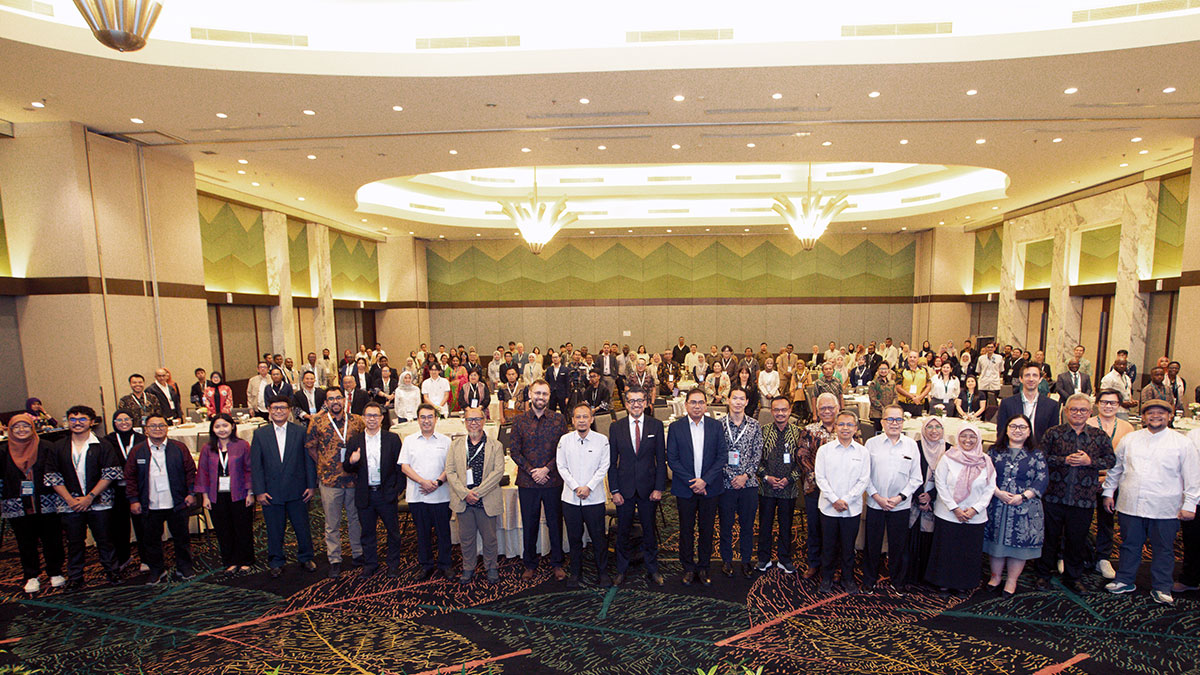
The Social Accounts Working Group was established by the Global Ocean Accounts Partnership (GOAP) in 2024 to ensure that social, cultural and equity considerations are recognised and accounted for in ocean accounting and decision-making about ocean and coastal development.
To date, the social dimensions of ocean accounting have remained underdeveloped. Decision-makers are left without critical information about how communities depend on and benefit from the ocean, which means policies get designed without a full picture of who they affect and how. I joined because I wanted to put my experience, expertise, and drive toward filling that gap.
- Rachel Thoms, World Resources Institute and member of the Social Accounts Working Group
Interested in joining the Social Accounts Working Group?
By joining, you gain access to a global community of practice, the latest research and methodologies on Social Accounts, capacity-building resources, and networking/opportunities to build collaborations and develop funding applications.
Resources