
Ocean Accounts
A framework for measuring and managing progress towards sustainable ocean development
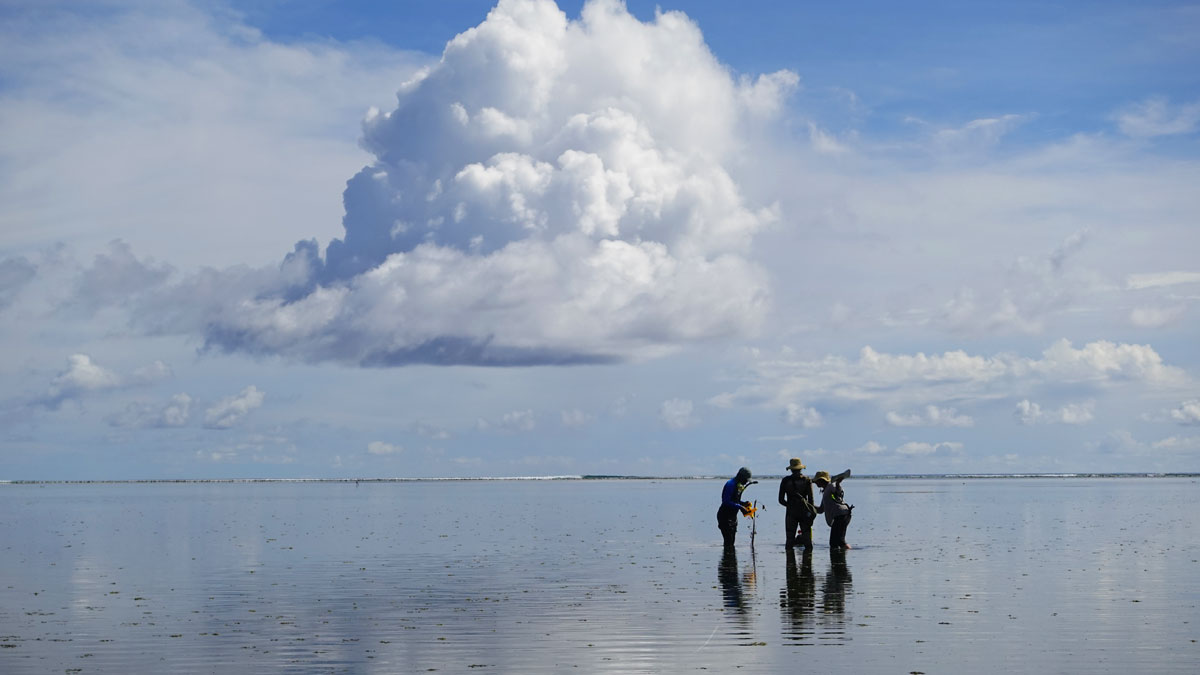
Ocean accounts are fundamentally about making visible the connections between human wellbeing, ecosystem health, and economic sustainability.
As ocean health declines and demands on marine ecosystems increase, countries need better information systems to manage ocean use, protect biodiversity, and address climate impacts.
Ocean accounts provide a systematic framework for organising and presenting statistics about ocean and coastal ecosystems – their condition, the services they provide, and the human activities that depend on and affect them.
Based on the System of Environmental-Economic Accounting (SEEA), ocean accounts enable countries to better understand the connections between their ocean economy and ocean health, while supporting evidence-based policy decisions for sustainable ocean management.
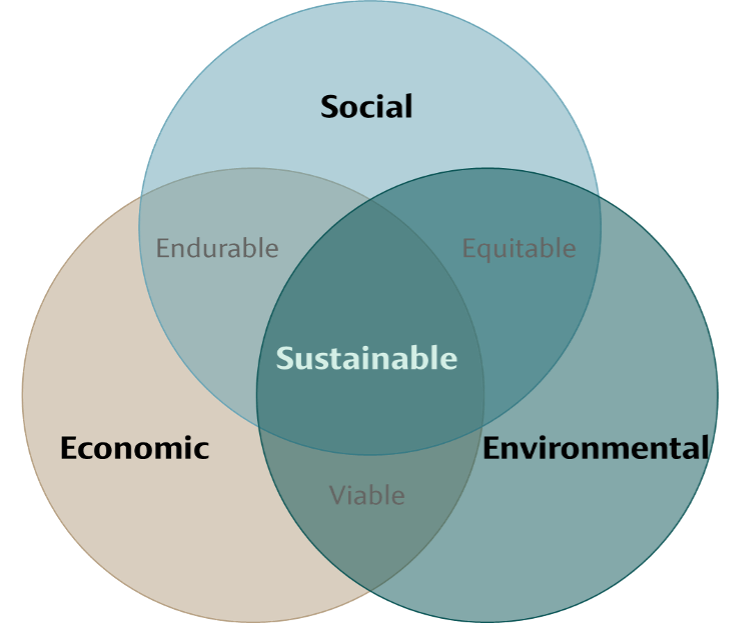
The main pillars of Ocean Accounts (Environmental, Economic and Social Accounts)
Ocean Accounts are integrated records of regularly compiled and comparable data:
- ocean environment assets (e.g. extent/condition of mangroves),
- economic activity (e.g. sale of fish),
- social conditions (e.g. coastal employment, community health).
Why Develop Ocean Accounts?
Evidence-Based Policy
Provide policymakers with consistent, comprehensive data to inform decisions about ocean resource management and conservation.
Track Ocean Health
Monitor changes in ocean ecosystems and their condition over time to identify trends and emerging threats.
Measure Economic Value
Quantify the economic contributions of ocean ecosystems to national accounts and GDP.
Social Accounts
Identify and standardise social variables that describe how people relate to the ocean ecosystems and economy.
Support SDG Reporting
Align with international frameworks including SDG 14 and contribute to global ocean sustainability targets.
Explore the global map
Explore where GOAP is supporting ocean accounts worldwide. The map below is fully interactive, so you can pan, zoom, and open project popups.
Ready to Get Started?
Explore our learning resources and guidance to begin developing ocean accounts in your country or region.