
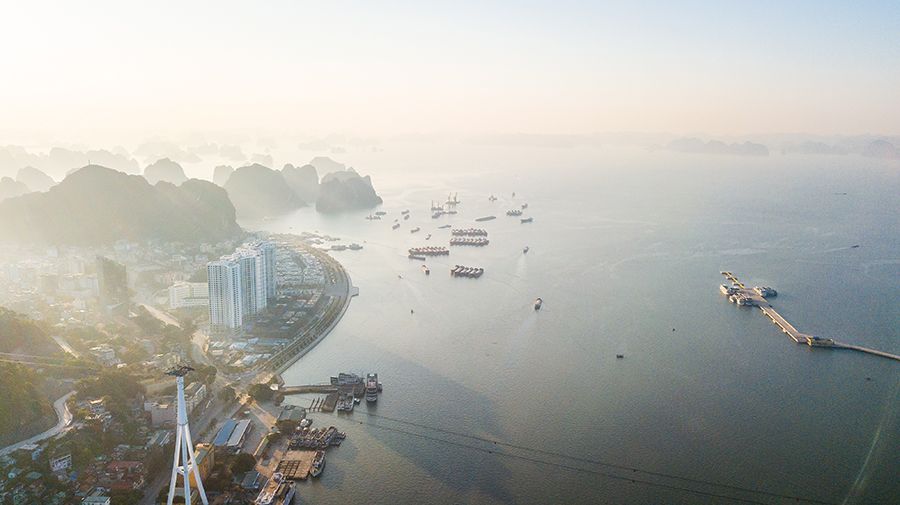
Ocean accounts inform evidence-based sustainable development of the ocean economy
Ocean accounting is a data foundation towards an integrated understanding.
Read More
Authors: Arlette Schramm and Eliza Northrop
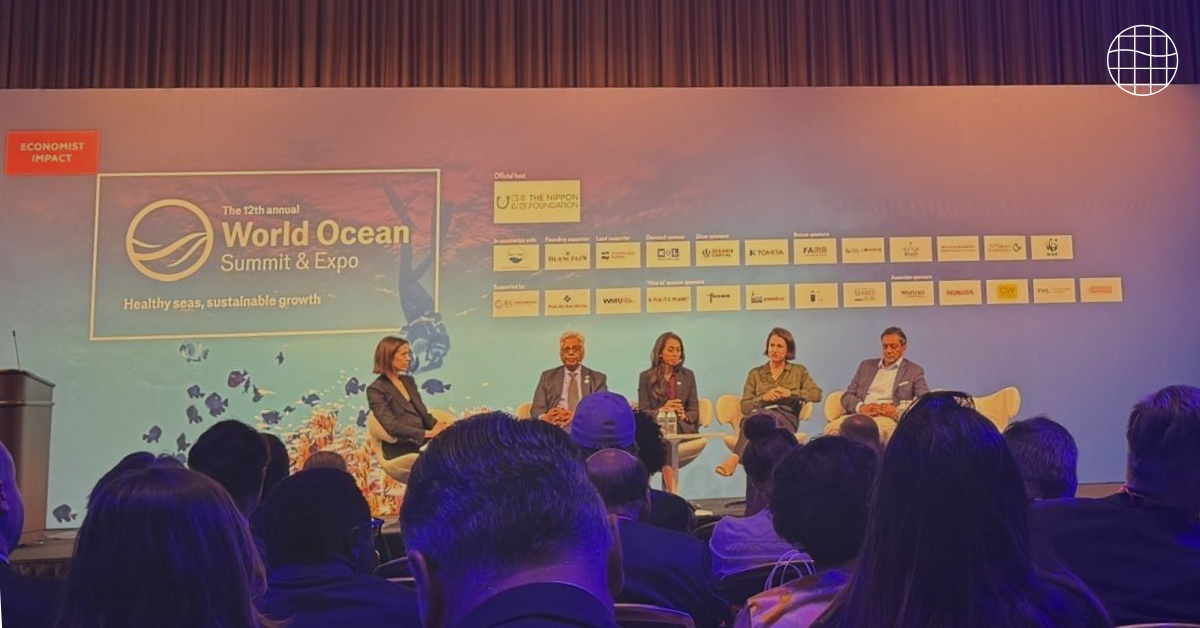
Every year, for the past twelve years, The Economist Impact convenes the widest cross-section of the ocean community from business and finance to government, national and international policy-makers, civil society and academia for the World Ocean Summit. It is designed to instigate action to develop the sustainable ocean economy; to encourage new partnerships across industries, with NGOs, scientists, technology developers and investors.
This year’s Summit, held in Tokyo, Japan, focused on the transition to a sustainable ocean economy, ocean stewardship, strategies to restore ocean health, advancements in marine technology and collaborative efforts to address ocean pollution.
The Summit is the first in a number of key international events taking place this year – the midpoint in a defining decade for making progress towards sustainable development.
Despite the broad agenda – one common theme came through loud and clear – mobilising capital to support ocean conservation while addressing development needs and capitalising on the estimated $3 trillion economic potential of the sustainable blue economy.
The Summit exposed a stark reality: while global sustainable investment assets totalled approximately $30.3 trillion as of 2022, ocean-related projects receive a disproportionately small share. The annual investment needed to achieve the UN’s Sustainable Development Goal 14 (“Life Below Water”) is estimated to be $175 billion by 2030 alone, with less than 1% of the ocean’s total value invested over the past decade. Achieving a sustainable blue economy by 2030 will require approximately $1.5 trillion in sovereign funding and $1 trillion in private investments.
Global ESG assets surpassed $30 trillion in 2022 and are projected to exceed $40 trillion by 2030, yet investments benefiting ocean sustainability often lack appropriate labelling. Offshore wind projects, for instance, are typically classified under general green bond frameworks despite their significant ocean impact. This misclassification prevents recognising the ocean as its own asset class and highlights two critical barriers: inadequate labelling and communication gaps.
When ocean-related investments are incorrectly labelled as “green” rather than “blue,” three significant problems emerge:
The message throughout the Summit was clear: scaling blue finance requires abandoning siloed approaches.
The current blue finance landscape consists of numerous individual efforts and no single financing mechanism—whether private equity, venture capital, or sovereign blue bonds—can or should address the full spectrum of needs.
The blue finance market functions as an interconnected system where large-scale economic opportunities link to small-scale conservation practices. This system encompasses diverse stakeholders—from institutional investors to conservation practitioners to governmental bodies—each with distinct requirements and priorities.
Mainstream investors like pension funds, insurance companies, and large asset managers—where the vast majority of capital sits—seek substantial investments with clear exit strategies. They require minimum investment thresholds (typically $50-100 million) and prioritise liquidity and financial returns.
Impact investors, conversely, approach with different priorities—higher tolerance for smaller-scale direct project investment, greater emphasis on ecological or social benefits, and more appetite for innovative financing structures that may not fit traditional investment categories.
The disconnect highlights a critical infrastructure gap in blue finance—we need to build sophisticated market infrastructure with standardised metrics, robust verification systems, and efficient transaction mechanisms that can channel institutional capital at scale while meeting the diverse needs of ocean conservation. To explore this further, check out our latest expert insight on why market infrastructure matters.
Scaling Biodiversity Finance: Why Market Infrastructure Matters at COP16
From the issuer’s perspective, access to capital is hindered by expertise requirements for structuring financial products and implementing monitoring systems, resulting in high transaction costs. Many potential issuers in emerging markets lack the technical capacity to develop blue projects meeting international financial standards or face sovereign debt limitations. The persistent challenge of monetising natural capital—demonstrating how ecosystem enhancements translate to economic value—further complicates securing funding.
Existing structural gaps create inequalities in access to finance. Small-scale fisheries, local conservation projects, and community-led initiatives—which often deliver substantial ecological and social benefits—struggle to attract capital due to their size, perceived risk, and lack of standardised reporting frameworks. Meanwhile, large-scale developments with questionable ocean impact might secure funding simply because they fit familiar investment models.
The path forward demands a complementary rather than competitive system built on standardised cross-investment metrics, innovative, collaborative structures, and effective intermediaries connecting projects with appropriate funding sources. Developing this interconnected approach would create more equitable access to finance across the full spectrum of ocean initiatives—from small-scale community projects to large infrastructure developments—while leveraging the advantages of established market participants.
Previous blogs in this series have unpacked how ocean accounts can provide a framework to support sustainable public and private financing mechanisms – read more here.
Developing an overarching strategy that addresses these structural gaps through a systems approach is essential to building the robust financial architecture needed to meet the complex, interdependent challenges facing our ocean.
Ocean accounting is a data foundation towards an integrated understanding.
Read More
By Hadi Yoga Dewanto and Bella Charlesworth
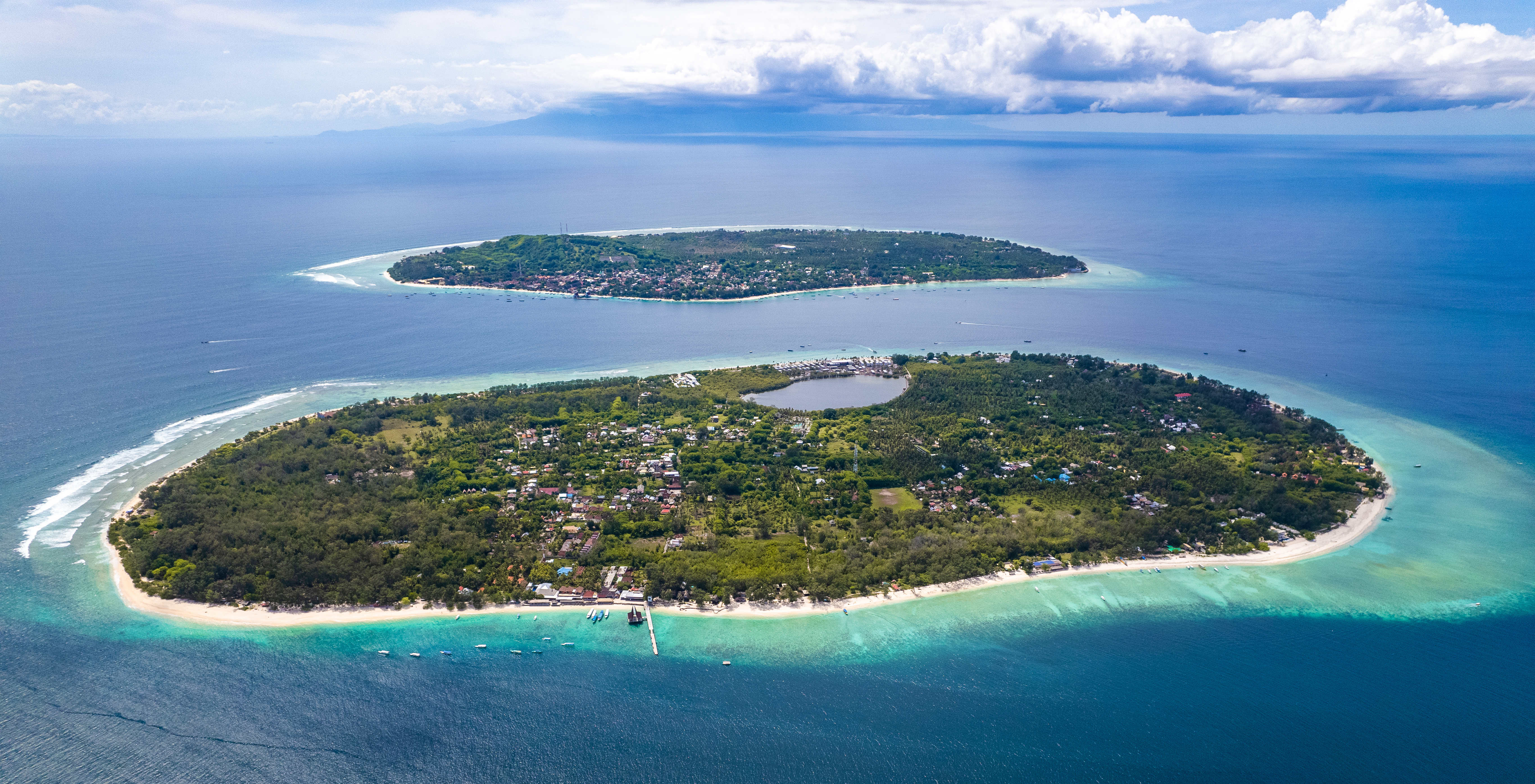
An ocean accounting pilot at Indonesia's Gili Matra Islands is using governance accounts to inform marine protection that lasts.
Read More
By Dr Phil James & Dr Rebecca Shellock
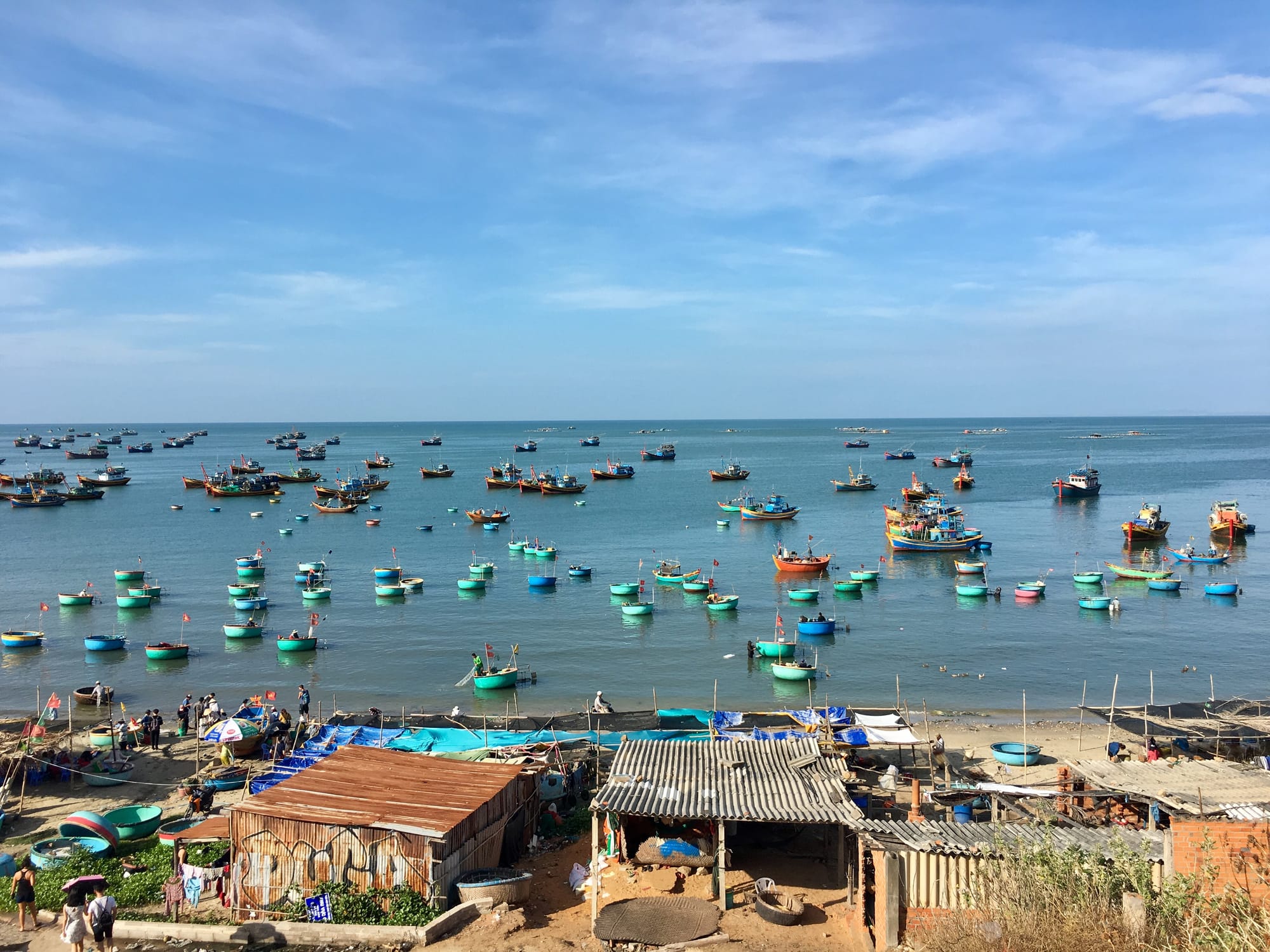
Coastal communities, with their unique blend of ecological and societal dynamics, are often at the forefront of challenges related to social justice and environmental sustainability.
Read More