As delegates prepare for the resumed negotiations for the global plastic treaty (INC-5.2), in Geneva, Switzerland from 5th to 14th of August, the need for science and data-driven decision-making has never been more critical.
These negotiations may be our last shot at changing the current trajectory of plastic pollution. Pressure is mounting, including a “wake up call” from 95 countries, to ensure we leave Geneva with a treaty that meets global expectations to adequately tackle the plastic pollution problem.
To meet these expectations, any new treaty must embed requirements for transparency and accountability. However, the current text lacks clear and binding provisions for comprehensive data collection, reporting, and monitoring—elements that have proven essential to the success of existing Multilateral Environmental Agreements (MEAs). Without these provisions, we face a treaty that may be ambitious in rhetoric but impossible to implement or evaluate in practice.
During this webinar, experts and country delegates:
- Examined why systems for transparency and regular assessments of progress must be central to the final deal struck in Geneva and how the current information gap undermines effective policy making on plastics pollution
- Introduced practical tools developed to support countries in strengthening their national data on plastics across the lifecycle
- Explored country perspectives on the importance of science and data in achieving the goals of the global agreement.
Speakers
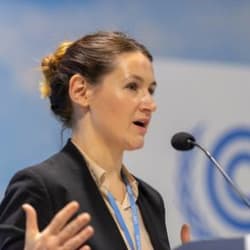
Eliza Northrop
GOAP Secretariat Director
The Global Ocean Accounts Partnership (GOAP)
International environmental lawyer specialising in ocean-climate solutions for zero-carbon transitions, sustainable ocean planning, natural resources governance. and policy and indigenous rights.

Angelique Pouponneau
Ocean - Lead Negotiator
Alliance of Small Island States (AOSIS)
International environmental law, legislative design for sustainable ocean economy, climate and ocean governance multilateral negotiations, and sustainable finance and blended finance mechanisms.

Dr. Shahriar Hossain
Member Negotiation Team and Senior Technical Advisor
Bangladesh
He is an environmental scientist, renowned for leading the first nationwide ban on plastic bags and drafting the legislation for the ban. Dr Hossain serves as a council member for prestigious institutions, including the University of Portsmouth, Ankara University, UNEP Chemicals, and the UNEP Scientific Advisory Committee on Marine Litter and Microplastics Pollution.
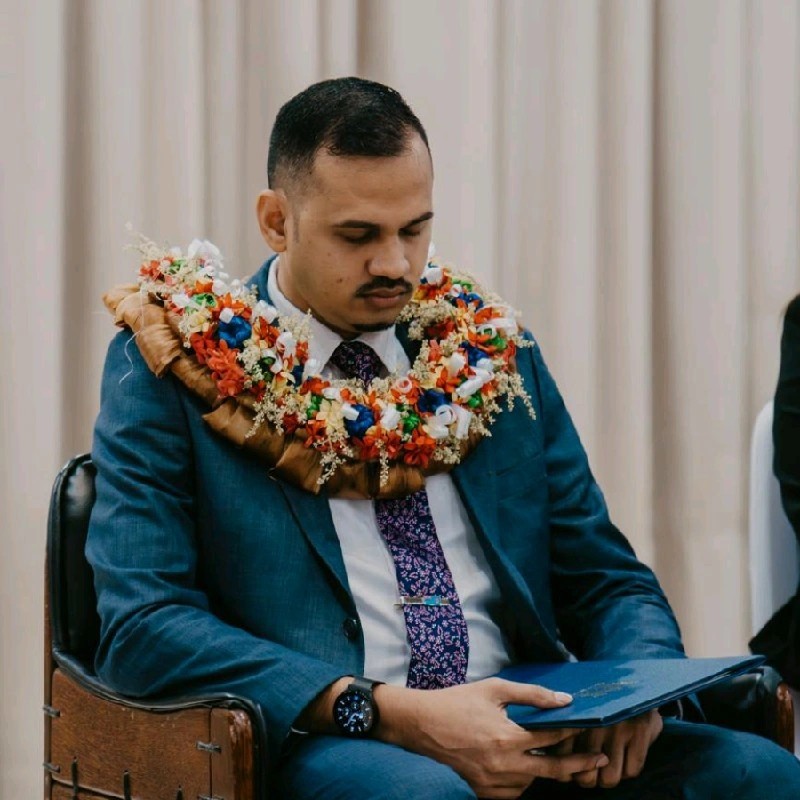
Dr. Sivendra Michael
Permanent Secretary for Ministry of Environment and Climate Change
Government of Fiji
International policy development professional with experience in conducting economic analysis, analytical research and quantitative modelling. Dr Michael also has a profound understanding of the Pacific political and regulatory environment.
Dr Randika Jayasinghe
Ocean Accounts Fellow - Plastic and Waste Specialist
Global Ocean Accounts Partnership (GOAP) Secretariat (based in Sri Lanka)
Plastics & Waste Specialist focusing on circular economy, plastic pollution, waste management and data on plastics across the lifecycle. Dr Randika attended INC-5.1 as the technical expert on the official Sri Lankan delegation and is a core member of the Scientists Coalition for an Effective Plastics Treaty.
Introducing the Global Plastics Data Tracker
Data-driven solutions: the Plastics Data Checklist
Knowledge Products
Policy brief: The need for data on plastics – ensuring a transparent, equitable and ambitious global agreement to end plastic pollution
Tackling Plastic Pollution Through Better Data
Counting our way to Zero Waste: How waste metrics will drive global change
Closing the Information Gap in Global Plastics Governance: No Data, No Deal
Catch-up on previous plastics webinars
Webinar. Data-Driven Decision Making: Preparing for the Global Plastic Treaty