

Past Event
Workshop on Ocean Accounts and Governance of Blue Carbon Ecosystems
View Details
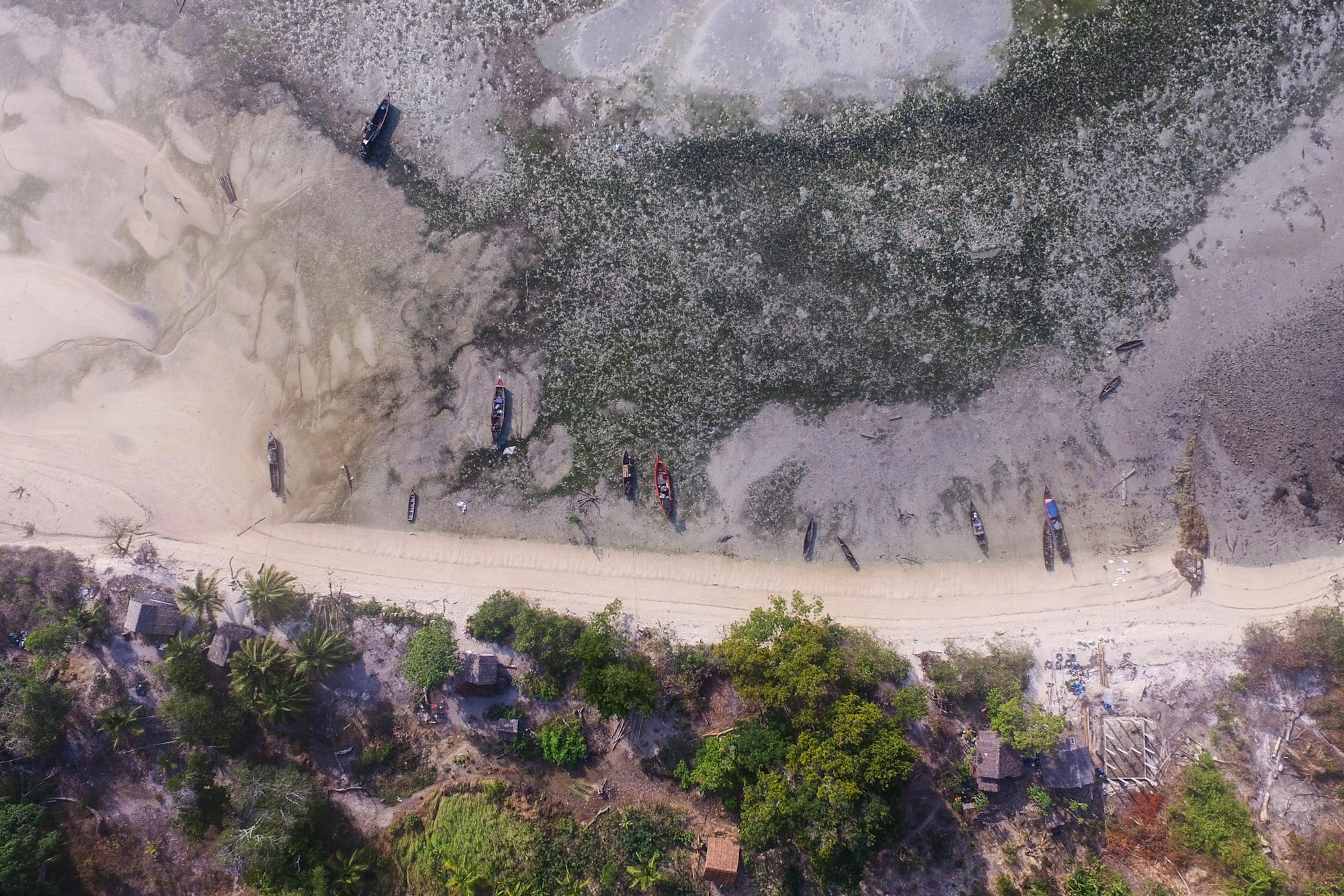
Online Workshop on Accounting for Blue Carbon
The University of New South Wales (UNSW), acting as Secretariat of the Global Ocean Accounts Partnership (GOAP), has been tasked by the Australian Commonwealth Department of Climate Change, Energy, the Environment and Water (DCCEEW) to work with recipients of the Blue Carbon Accelerator Fund (BCAF) to produce Environmental Economic Accounts (EEA). The accounts are aligned within an international statistical accounting standard, the UN System of Environmental Economic Accounts Ecosystem Accounting (SEEA EA) to measure the stocks and flows of carbon within ‘blue carbon’ ecosystems (mangrove, seagrass and saltmarsh), in addition to the other benefits they provide to society and the economy. This workshop aims to support BCAF recipients and other stakeholders to produce EEA by:
Blue carbon ecosystems, which include mangroves, seagrasses, and saltmarshes, have the potential to capture and store a significant amount of carbon. Blue carbon ecosystems are estimated to store 2-4 times more carbon per hectare compared to terrestrial forests, and may also sequester 30 - 50 times faster than other ecosystems. Therefore, the conservation and restoration of these ecosystems are an important action for climate mitigation.
These ecosystems have also long supported coastal communities, providing vital ecosystem services that provide benefits and support human well-being. For example, blue carbon ecosystems:
Many of the goods and services provided by these ecosystems are critical for the functioning of dependent economic activities, such as fisheries and tourism.
Conservation and restoration of Blue Carbon Ecosystems
Despite their immense value, blue carbon ecosystems face degradation and destruction. When these habitats are destroyed, the carbon stored is released, and it is estimated that over 1 billion tons of CO2 are emitted annually due to the degradation of coastal ecosystems. Thus, protecting existing blue carbon ecosystems could help avoid the emission of 304 Tg of carbon dioxide equivalent per year. Safeguarding blue carbon ecosystems becomes increasingly important in light of global commitments to reduce greenhouse gas emissions under the Paris Agreement and protect biodiversity through initiatives like the Kunming-Montreal Global Biodiversity Framework.
In recognizing their immense potential, blue carbon has been incorporated into the carbon market, enabling the trading of “blue carbon credits” as a financial instrument for the conservation or restoration of these ecosystems, that could be used to scale up sustainable management practices. Recent developments in the integrity and transparency of carbon credits have stressed the need for standardized accounting structures to rapidly audit and understand the efficacy of blue carbon projects.
Role of SEEA Ecosystem Accounting
The SEEA Ecosystem Accounting (SEEA EA) is an integrated and comprehensive statistical framework developed to organize data about habitats and landscapes, measure ecosystem services, track changes in ecosystem assets, and link this information to economic and other human activities in a spatially explicit manner. That is achieved by measuring ecosystem’s extent, condition, and services in physical and economic terms. This enables the integration of ecosystem values into decision-making processes. The SEEA Ecosystem Accounting is particularly important for the management of blue carbon ecosystems because it enables the valuation and recognition of their contributions to climate change mitigation, adaptation and societal well-being, provides the basis for incorporating the value of blue carbon ecosystems into decision-making and sustainable development planning.
Ecosystem Accounting provides a means to link the assessment and valuation of ecosystem services with financing opportunities ranging from:
The ecosystem accounts contain data relevant to existing blue carbon credit/offset standards (e.g., Verra’s Verified Carbon Standard, PlanVivo) but provide additional information that advances the monitoring, reporting and valuation of projects towards a higher global benchmark for carbon credits (e.g., high-integrity carbon credits), in addition to measuring the other important contributions these ecosystems provide to society and the economy (i.e., ecosystem services - water purification and coastal protection). The accounts could track:
The accounts could also be embedded into risk assessment and disclosure frameworks, to enhance an understanding of environmental risks and opportunities. The approach enables investors to make better-informed decisions in allocating capital towards projects and initiatives that contribute to ocean conservation and sustainable use of resources and avoid those with activities linked to the loss of ecosystems and their services.

Ecosystem Accounting | System of Environmental Economic Accounting
UN Statistical Commission side event: From experimental ocean accounts to SEEA-Ocean
View Details

Workshop on Ecosystem Assessment: Towards a Sustainable Blue Economy. To move ecosystem assessment from theory into Viet Nam's everyday practice of planning, financing and policymaking.
View Details

View Details